Posted Wednesday November 18, 2026
Summer is the season for home improvements — from building decks to tackling long-overdue projects in the shed. But there’s a hidden danger that comes with drills, saws, and lawn equipment: noise-induced hearing loss.
The power tool problem
Most power tools operate well above the safe noise threshold:
-
Drill: 95 dB
-
Circular saw: 100 dB
-
Chainsaw: 110 dB
-
Leaf blower: 100 dB
-
Hammer drill: 115 dB
At these levels, hearing damage can happen in just a few minutes without protection.
Why it matters
Unlike a sore back or scraped knuckles, hearing loss from loud tools doesn’t heal. Once those inner ear cells are damaged, the change is permanent.
Protecting your hearing during DIY
-
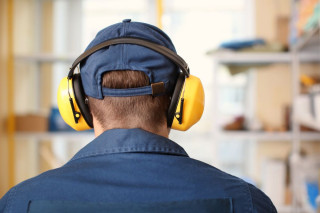
Wear earmuffs or earplugs: A simple, inexpensive step that makes a big difference.
-
Take breaks: Give your ears downtime between noisy tasks.
-
Keep kids safe: If little ones are nearby, make sure they’re protected too.
-
Stand back: The closer you are to the tool, the louder it is. Distance reduces risk.
-
Upgrade your gear: Some newer power tools are designed to run more quietly.
Signs you may have overdone it
-
Ringing or buzzing in your ears after a project
-
Sounds seem muffled
-
Needing to turn up the TV louder than usual
These are all red flags that your hearing may be affected.
Enjoy DIY without the damage
You don’t have to give up your projects to protect your hearing, just take simple precautions. If you’ve noticed changes in your hearing after working with tools, the best next step is to get it checked.
Book a hearing assessment today and keep both your home, and your hearing, in top shape.