Styles and types
Considering hearing aids? That's a great first step toward rediscovering the sounds you love.
Find the perfect hearing aid for you
There are several types of hearing aids, each designed to help you hear better. When exploring hearing aids, you'll find a diverse selection of sizes, features, colours and processing power.
The right choice for you will depend on the severity of your hearing loss and your personal style.
Ready to explore the possibilities? Let's dive deeper into the specific types of hearing aids and discover which one could be the perfect fit for you.
Types of hearing aids
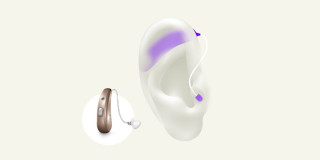
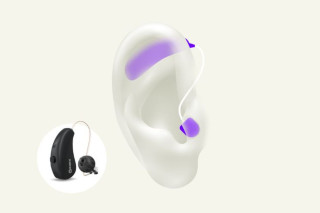
Behind-the-ear (BTE)
Behind-the-ear hearing aids are open-fit hearing aids. They hook over the top of your ear and rests behind your ear connected with an earpiece that fits in your ear canal.
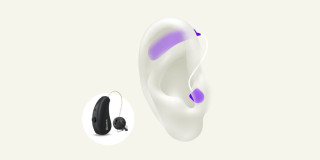
Receiver-in-canal (RIC)
Receiver-in-Canal hearing aids are a superior slimline version of the Behind-the-Ear aids. Also open-fit, with the shell of the hearing aid hugging the outer ear.
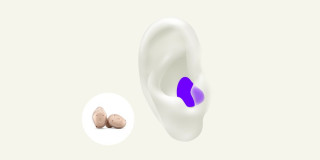
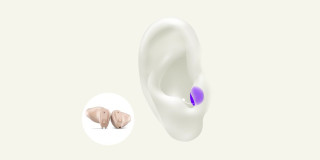
Completely-in-canal (CIC)
Nearly invisible, bespoke Completely-In-Canal (CIC) hearing aids completely hidden in your ear canal. They are super small and discreet - only you will know you are wearing them.
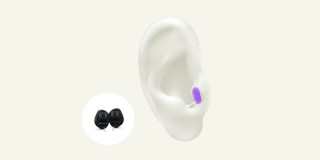
CROS Hearing Aids
CONTRALATERAL ROUTING OF SIGNAL
On top of the six main types of hearing aids, there is one other type that has a different functionality. They are called CROS hearing aids, which stands for "Contralateral Routing of Signal". They are meant for people who have severe hearing loss, including deafness, in only one ear, but whose other ear does not have hearing loss.